

Wrinkle Relaxers
Smooth out fine lines and wrinkles — these neurotoxins soften movement and allow the facial muscles to relax. Can also be used to help treat migraines, Bell’s Palsy, bruxism and TMJ stands for Temporomandibular Joint Disorder

Products We Use
Botox®
Weakens the facial muscles that control wrinkle-causing expressions, dramatically smoothing the affected area over time.
Dysport®
Treats moderate to severe frown lines between the eyebrows by reducing specific muscle activity.
Xeomin®
Diminishes and prevents fine lines and wrinkles.

Botox®
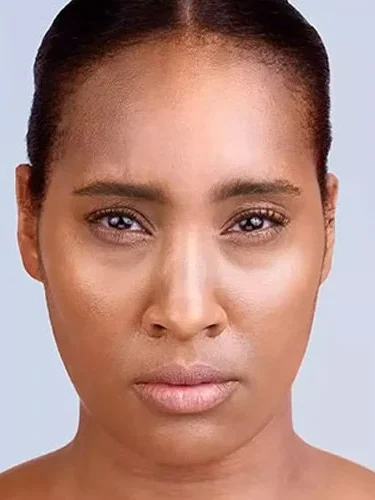
Forehead lines, crow’s feet, and stubborn wrinkles are natural, but that doesn’t mean you have to live with them. Botox® works by weakening the facial muscles that control wrinkle-causing expressions, dramatically smoothing the affected area over time.
Manufacturer: Allergan
Frequently Asked Questions:
As the first product of its kind to go to market, Botox® is the most well-known cosmetic treatment for reducing the appearance of facial wrinkles. The most common areas include the forehead, between the eyes (known as glabellar or “eleven” lines), around the corners of the eyes or crow’s feet, and around the lips (gummy smile, smoker’s lips, or lip flip). Besides wrinkle relaxing, Botox® has a variety of other usages helping to treat conditions such as: Chronic migraines, Severe sweating, Overactive bladder, Cervical Dystonia, Blepharospasm (uncontrollable blinking), Strabismus (eyes pointing in different directions).
Botox®, classified as a neuromodulator, uses a toxin called onobotulinumtoxin-A to block chemical signals from nerves that would normally cause the injected muscle or muscles to contract. In other words, Botox® temporarily relaxes muscles in order to soften expressions. Over time, the decreased movement can reduce the appearance of wrinkles on the skin above. The effects of Botox® typically last between 3-6 months, varying from person to person. As Botox® begins to wear off, the injected area will begin to move normally over a period of time. With regular treatment and continued use over time, Botox® can begin to reverse the appearance of wrinkles by influencing the muscles to move less naturally. Botox® can also be used to prevent wrinkles from forming. Preventative Botox® treatments can begin earlier in the aging process, as early as in your twenties.
The effects of Botox® typically last between 3-6 months, varying from person to person.
If you have one or more of the following facial wrinkles, you may be a good candidate for Botox®: Crow’s feet, Forehead lines, Glabellar “eleven” lines, Smoker’s lines, Platysmal Bands “Neck bands”. Common facial expressions such as smiling, frowning, squinting, and even chewing can lead to wrinkles that make you look tired or angry even when you’re not. Any adult experiencing these unwanted signs of aging may be a candidate for Botox® injections. A Botox® candidate should be a person who is physically healthy, who is not pregnant or nursing, with no history of neuromuscular disease such as multiple sclerosis. To find out if you are a candidate for Botox®, always make sure to consult with a licensed and qualified health professional.
A Botox® treatment can take as little as 15 minutes, with little to no downtime needed after an appointment. To ensure treatment is as pain free as possible, your practitioner will use a very small needle and apply numbing cream if necessary. You will begin to see results within one week after treatment. Results will continue to become more visible daily, with full results after approximately two weeks. To maximize results from any neurotoxin injection, a combination treatment may be recommended. For dramatically improved skin texture, combine Botox® with a chemical peel, microneedling, or laser treatment. For improved volume or structure, combine Botox® with the right dermal filler for you. Since there is no one-size-fits-all formula for skincare, our providers work closely with each patient to meet their individual goals.
Dysport®
If wrinkles and expression lines are giving you something to frown about, Dysport® might be the right treatment for you. Dysport® starts to reduce the appearance of wrinkles within just a few days after the first treatment.
Manufacturer: Galderma

Frequently Asked Questions:
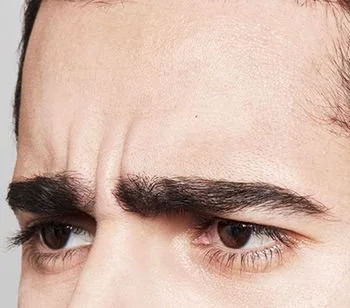
Dysport® is an FDA-approved cosmetic injectable primarily used for treating wrinkles and signs of aging. This popular treatment has been clinically proven to smooth the appearance of crow’s feet and frown lines while maintaining the natural look and movement of the rest of your face. Possibly the longest duration neurotoxin, Dysport® treats moderate to severe frown lines between the eyebrows by reducing specific muscle activity. One injection into each of the five points between and above the eyebrows temporarily prevents muscle contractions that cause frown lines. The majority of users see improvement in just two to three days after treatment. Natural-looking results last up to five months.
Dysport® is an injectable medication, classified as a neuromodulator, which is used to reduce the appearance of lines by limiting movement of muscles at the injection site. As the injected muscles relax, the skin above becomes smoother. Other injectable neuromodulators include Botox® and Xeomin®. Dysport® is one of the most popular treatments in its class and is manufactured by Galderma Aesthetics. Dysport® is a non-invasive treatment that temporarily decreases muscle movement in targeted areas by blocking nerve signals to the muscles. This decreased muscle movement helps to soften the appearance of wrinkles and lines in the treated area.
Results typically last up to 5 months.
Dysport® is widely used to treat wrinkles brought on by repeated facial expressions over the years. You may be a candidate for Dysport® if you are an adult with one or more of the following concerns: Smile lines, crow’s feet, glabellar or “eleven” lines, forehead lines You should not have Dysport® if you are pregnant or nursing, if you have a history of any neuromuscular disease such as multiple sclerosis, or if you have a history of any other disorder that may increase the risk of complications with Dysport® injection. To find out if you are a candidate for Dysport® injections, schedule a consultation with one of our qualified injection specialists.
A Dysport® treatment can take as little as 15 minutes, with little to no downtime needed afterward. To ensure the experience is as comfortable as possible, your practitioner will use a very fine needle and may apply numbing cream if necessary. You will begin to see results within 2–3 days, with continued improvement each day and full results visible at approximately one week after treatment.
To maximize your results, a combination treatment may be recommended. For dramatically improved skin texture, pair Dysport® with a chemical peel, microneedling, or laser treatment. For added volume or enhanced facial structure, Dysport® can be complemented with the right dermal filler for your needs.
Because there is no one-size-fits-all approach to aesthetic care, our providers work closely with each patient to customize a treatment plan that aligns with their unique goals.
Xeomin®
Xeomin® is an injectable neuromodulator, similar to Botox® and Dysport®, widely used to diminish and prevent fine lines and wrinkles.
Manufacturer: Merz
Frequently Asked Questions:
As the first product of its kind to go to market, Botox® is the most well-known cosmetic treatment for reducing the appearance of facial wrinkles. The most common areas include the forehead, between the eyes (known as glabellar or “eleven” lines), around the corners of the eyes or crow’s feet, and around the lips (gummy smile, smoker’s lips, or lip flip). Besides wrinkle relaxing, Botox® has a variety of other usages helping to treat conditions such as: Chronic migraines, Severe sweating, Overactive bladder, Cervical Dystonia, Blepharospasm (uncontrollable blinking), Strabismus (eyes pointing in different directions).
Botox®, classified as a neuromodulator, uses a toxin called onobotulinumtoxin-A to block chemical signals from nerves that would normally cause the injected muscle or muscles to contract. In other words, Botox® temporarily relaxes muscles in order to soften expressions. Over time, the decreased movement can reduce the appearance of wrinkles on the skin above. The effects of Botox® typically last between 3-6 months, varying from person to person. As Botox® begins to wear off, the injected area will begin to move normally over a period of time. With regular treatment and continued use over time, Botox® can begin to reverse the appearance of wrinkles by influencing the muscles to move less naturally. Botox® can also be used to prevent wrinkles from forming. Preventative Botox® treatments can begin earlier in the aging process, as early as in your twenties.
The effects of Botox® typically last between 3-6 months, varying from person to person.
If you have one or more of the following facial wrinkles, you may be a good candidate for Botox®: Crow’s feet, Forehead lines, Glabellar “eleven” lines, Smoker’s lines, Platysmal Bands “Neck bands”. Common facial expressions such as smiling, frowning, squinting, and even chewing can lead to wrinkles that make you look tired or angry even when you’re not. Any adult experiencing these unwanted signs of aging may be a candidate for Botox® injections. A Botox® candidate should be a person who is physically healthy, who is not pregnant or nursing, with no history of neuromuscular disease such as multiple sclerosis. To find out if you are a candidate for Botox®, always make sure to consult with a licensed and qualified health professional.
A Botox® treatment can take as little as 15 minutes, with little to no downtime needed after an appointment. To ensure treatment is as pain free as possible, your practitioner will use a very small needle and apply numbing cream if necessary. You will begin to see results within one week after treatment. Results will continue to become more visible daily, with full results after approximately two weeks. To maximize results from any neurotoxin injection, a combination treatment may be recommended. For dramatically improved skin texture, combine Botox® with a chemical peel, microneedling, or laser treatment. For improved volume or structure, combine Botox® with the right dermal filler for you. Since there is no one-size-fits-all formula for skincare, our providers work closely with each patient to meet their individual goals.
Refresh Your Look Without Looking Different.
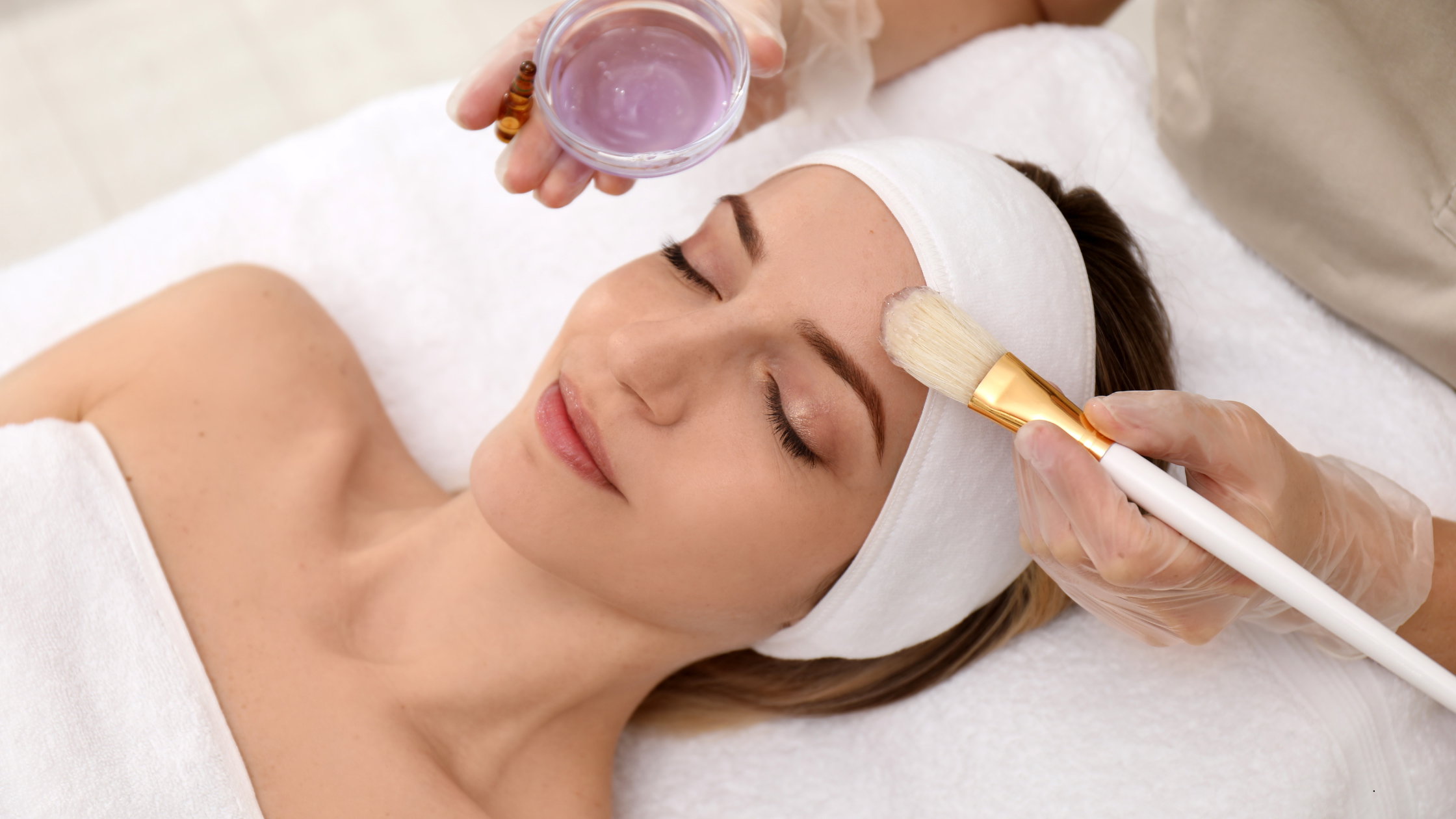
Every treatment plan begins with a personalized consultation designed to evaluate your goals, facial anatomy, and movement patterns.
Schedule your consultation today and discover a customized approach to natural facial rejuvenation.